
What a moth trap can tell an Okanagan apple grower
An orchard trap catches adults. The damage turns up inside the fruit. Growers from Osoyoos to Lake Country have a way to read those two signals together.
By Okanagan Media · · 3 min read
A hole in the skin of an apple
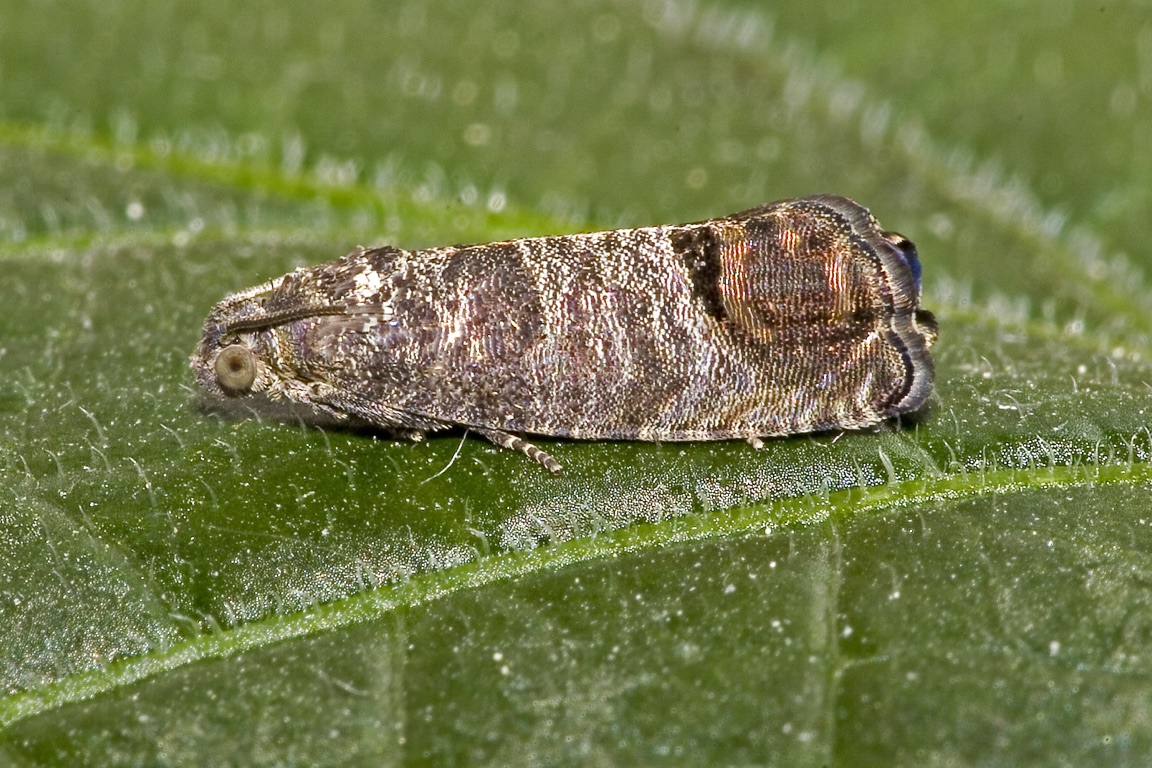
Cut through a “wormy” apple and the tunnel can lead all the way to the seeds. The insect that made it is a caterpillar, the young stage of the codling moth. One clue on the outside is a hole plugged with reddish-brown droppings. By the time an apple shows that sign, the caterpillar has already entered the fruit.
During the growing season, an Okanagan orchardist can also look for the pest at a different point in its life. A trap hanging in a tree uses a chemical scent called a pheromone to attract adult moths. Field crews check the traps each week. The grower can look up the count for the orchard, then walk the rows to check the fruit itself. Together those observations help a grower and their advisor decide whether the crop needs extra protection.
B.C. guide to fruit tree pests, pages 7–8 · Regional program guide to orchard monitoring
Why Osoyoos raises moths
Some of the moths in those trees arrived through the Okanagan-Kootenay Sterile Insect Release Program. Its Osoyoos facility raises moths that cannot produce a surviving next generation when they mate with wild moths. Research in Summerland helped establish that this approach could work in the fruit-growing areas of the Southern Interior.
That leaves an obvious question for anyone counting the catch. How can a field worker tell which moths the program put there? A red dye in the facility moths’ food leaves a visible marker. Staff can distinguish the two groups when they inspect a trap. A grower interested in wild moth activity would get a misleading picture by simply counting every moth together.
Two maps with different dates
The program’s Trap Viewer publishes weekly counts during the growing season. A second set of maps puts the previous season in perspective. There are separate maps for north, central and south Naramata, for example, and others for neighbourhoods including Rutland and East Kelowna. Growers can look beyond their own rows to see where nearby orchards received spray recommendations.
The year on the cover matters. The neighbourhood maps labelled 2026 use observations collected in 2025. They helped growers plan for the following growing season. Someone checking moth activity during a particular summer week would go to the Trap Viewer and check the observation date.
Weekly Trap Viewer · Neighbourhood maps and the season covered
A backyard tree belongs in the picture
A crabapple in a yard can host the same insect as an apple tree in a commercial orchard. Pear and quince trees can host it too. The regional program works with householders because moths can travel from a backyard tree to fruit growing nearby.
One practical job starts beneath the tree. A caterpillar can keep feeding inside an infested apple after it falls. The program advises picking up damaged fruit and keeping it out of the compost. Its dormant-season guidance also recommends pruning to keep the canopy low and open, so next summer’s fruit is within reach for inspection.
Host trees in Okanagan backyards · Regional guide to caring for backyard fruit trees